
RCD vs RCBO: What's the Difference?

A faulty circuit can start a fire within minutes or cause a fatal electric shock in seconds.
The Institution of Engineering and Technology (IET) reports that electricity is responsible for approximately 19,300 accidental domestic fires each year. These fires account for about 53% of all accidental house fires in England. This highlights why choosing the right circuit protection for your unit is so important. However, many homeowners confuse an RCD with an RCBO when choosing consumer units for circuit protection.
An RCD (Residual Current Device) protects against electric shock by detecting current leakage. An RCBO (Residual Current Breaker with Overcurrent Protection) combines shock protection with overload and short-circuit protection in one device.
RCBOs are now standard in modern consumer units, offering circuit-by-circuit protection that RCDs alone cannot match.
Many older homes still use a single RCD for multiple circuits, so one fault can cut power to everything at once. This guide explains the difference and which device suits your property.
What Is an RCD?
RCD is used to protect against electric shock by detecting current leakage. An RCD constantly monitors the electrical current flowing through a circuit. It compares the current going out with the current coming in.
If it detects an imbalance, even a small one, it cuts the power immediately. This imbalance usually signals current leaking to earth, which could indicate a fault or a person receiving a shock.
RCDs are highly effective at preventing shock, but they have one limitation. They do not protect against overcurrent, meaning they will not trip if a circuit is overloaded or short-circuited. That job falls to a separate circuit breaker or fuse.
What Is an RCBO?

An RCBO does everything an RCD does, but it goes beyond what an RCD does. It combines two functions in one compact device:
Residual current protection — detects earth leakage and protects against electric shock
Overcurrent protection — trips during overloads or short circuits, just like a standard MCB
Each RCBO protects a single circuit; a fault on one circuit will not affect the others. This makes RCBOs particularly useful in homes with sensitive equipment, home offices, or landlords managing multiple tenanted properties.
RCD vs RCBO: Key Differences at a Glance
Comparing them right next to each other makes it easy to understand the differences between them. The following table provides information on how RCDs and RCBOs differ from each other in terms of shock protection, overload protection, and applications.
Use it as a quick reference when discussing options with your electrician or supplier.
Feature | RCD | RCBO |
Shock protection | Yes | Yes |
Overload protection | No | Yes |
Short-circuit protection | No | Yes |
Circuits protected | Usually multiple | Single circuit only |
Fault isolation | Poor — whole board can trip | Excellent — only affected circuit trips |
Typical use | Older consumer units, budget installs | Modern consumer units, rewires, upgrades |
Cost per circuit | Lower initial cost | Higher, but reduces downtime |
Choosing between an RCD and an RCBO can depend on your property's wiring, circuits, and level of protection required. After understanding your needs, a professional electrician recommends the right devices for your home or business.
With 35 years of experience, Ghir Electrical Supplies Ltd a wide range of electrical devices across the UK. A trusted and reliable name that has been helping consumers choose suitable electrical devices by considering durability, unit safety, and efficiency.
Why RCBOs Are Becoming the Standard Choice
Wiring regulations (BS 7671) have pushed installers towards greater circuit separation, reducing the risk of an entire property losing power due to a single fault. RCBO
protection gives you several practical advantages over a shared RCD setup:
Fault isolation — only the affected circuit trips, not the whole board
Less disruption — your fridge-freezer, alarm, and security lighting stay powered during unrelated faults
Faster fault-finding — electricians can pinpoint the problem circuit instantly
Better tenant relations — landlords avoid unnecessary call-outs for whole-property power loss
Regulatory alignment — supports the direction set by BS 7671 for circuit separation
This is why most trade customers now specify fully RCBO-protected boards rather than mixed RCD and MCB setups.
Choosing the Right Consumer Unit
If you're planning an upgrade, the type of board matters as much as the protective devices inside it:
Dual RCD boards — two RCDs split across circuits, a budget-friendly step up from single-RCD setups
Split-load boards — separate RCD-protected and non-RCD circuits for specific applications
Fully RCBO boards — individual RCBO protection on every circuit, offering the highest level of fault isolation
For most modern homes and rewires, a fully RCBO board offers the best balance of safety, convenience, and future-proofing. UK electricians widely specify trusted ranges such as Wylex consumer units for their reliability and straightforward installation.
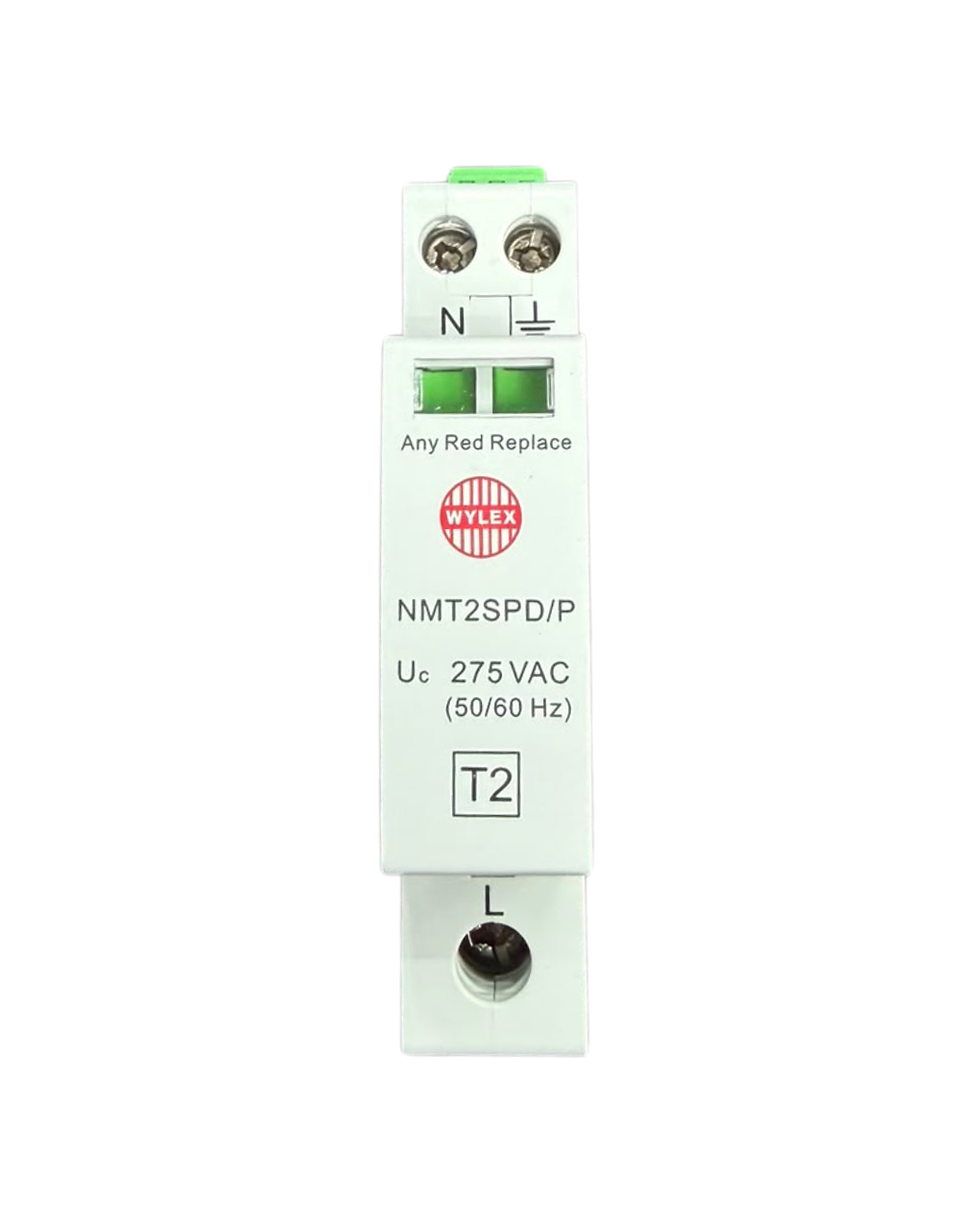
An RCBO consumer unit with SPD adds surge protection against voltage spikes on top of shock and overcurrent protection. This combination suits:
Homes with sensitive electronics or smart home systems
Properties with solar PV installations
Homes with EV chargers
Areas prone to voltage spikes from grid switching or lightning strikes

If you're unsure what surge protection actually does, our guide on what SPD means on a consumer unit breaks it down clearly.
A Practical Example
Imagine a family living in a three-bedroom house with a home office, air conditioning, and patio lighting. If the whole house is set up on an old dual RCD, then a single fault in the air conditioning circuit could knock out all home appliances.
With RCBOs installed in the consumer unit, the situation is different. Each RCBO protects an individual circuit, so a fault in the air conditioning circuit trips only that circuit. Other appliances and lights can continue working as normal.
This simple difference can help the family carry on with their daily routine without unnecessary power interruptions.
Choosing Between RCD and RCBO Protection
Knowledge of the distinctions between RCDs and RCBOs will enable you to make an informed choice regardless of whether you are improving your own house or recommending a protection system to a customer. While RCDs give decent shock protection, RCBOs provide more comprehensive protection systems.
If you're comparing options for your next installation, exploring a well-specified range of consumer units is a sensible starting point. And if surge protection is part of your planning, it's worth reading further into how SPD technology works within a consumer unit before making a final decision.
FAQs: RCD vs RCBO
1. Is an RCBO better than an RCD?
Yes, for most modern homes, an RCBO offers shock and electrical infrastructure protection due to its dual function. On the other hand, an RCD only covers shock protection.
2. Can I mix RCDs and RCBOs in the same consumer unit?
Yes, most boards do use a combination in the same consumer unit, but a complete RCBO board is increasingly favoured now in the UK.
3. Do I need to replace my whole consumer unit to get RCBO protection?
No, not necessarily. Sometimes, individual RCBOs may be installed into the existing board, although a total replacement is usually preferable from a maintenance point of view.
4. Why does my RCD keep tripping but the circuit seems fine?
Uncertain tripping can happen due to several circuits sharing the same RCD. Installing individual RCBOs for each circuit solves the problem.
5. Are RCBOs more expensive than RCDs?
Yes, RCBOs are more expensive than RCDs, since RCBOs are available on a per-circuit basis. However, downtime and the time required to fix problems are reduced significantly.
6. Is RCBO protection a legal requirement in the UK?
Current wiring regulations (BS 7671) strongly recommend RCBO protection for many circuit types, particularly in new installations and rewires, though exact requirements depend on the specific installation.


Comments