
How to Choose the Right Consumer Unit for Your Home
Your home's electrical safety often comes down to one overlooked panel on the wall. At the same time, you need to consider that not all consumer units offer the same level of protection for your home. An outdated unit can also make repeated electrical faults harder to manage and may lack protection found in modern systems.
Choosing a consumer unit does not have to be confusing.
The right consumer unit depends on your circuit count, protection type, and whether you need surge protection. This guide walks you through exactly what to look for. Whether you're planning a rewire, an upgrade, or a fuse box replacement, you'll know what matters most.
What Is a Consumer Unit?

A consumer unit, often still called a fuse box, is the central panel that distributes electricity around your property. It houses the main switch, circuit breakers, and residual current protection for every circuit.
Modern consumer units use RCBOs or RCDs instead of the rewireable fuses found in older homes. This provides faster, more reliable protection against electric shock, overload, and short circuits.
Signs Your Consumer Unit Needs Replacing
According to NICEIC, the UK's leading certification body for electricians, several warning signs suggest a property may need a rewire or fuse box replacement:
Circuit breakers or RCDs tripping repeatedly for no obvious reason
Blown fuses or fuses that need frequent replacing
Flickering lights or buzzing sounds from the consumer unit
Discoloured socket-outlets or switches
A consumer unit with no RCD protection fitted at all
If you notice any of these signs, it's worth arranging an Electrical Installation Condition Report (EICR) before deciding on a replacement.
Key Factors to Consider When Choosing a Consumer Unit
The best consumer unit for your home depends on more than the price or appearance of the board. You need to consider how your property uses electricity today and what you may need in the future.
1. Count Your Existing and Planned Circuits
Start by checking how many circuits your property currently has. These may include lighting, sockets, the cooker, heating, outdoor supplies, and other dedicated circuits.
You should also think about planned additions, such as an EV charger, solar panels, or an electric shower. Choosing a board with spare ways can make future upgrades easier.
2. Choose the Right Protection Type
Protection is one of the most important factors when choosing a consumer unit. You may need a dual RCD board, split-load board, or fully RCBO-protected board.
RCBOs provide individual protection for each circuit. If one circuit develops a fault, the affected circuit can trip without cutting power to unrelated circuits.

3. Consider Surge Protection
Modern homes often contain expensive and sensitive electronic equipment. TVs, computers, smart home systems, appliances, solar equipment, and other electronics can be affected by voltage surges.
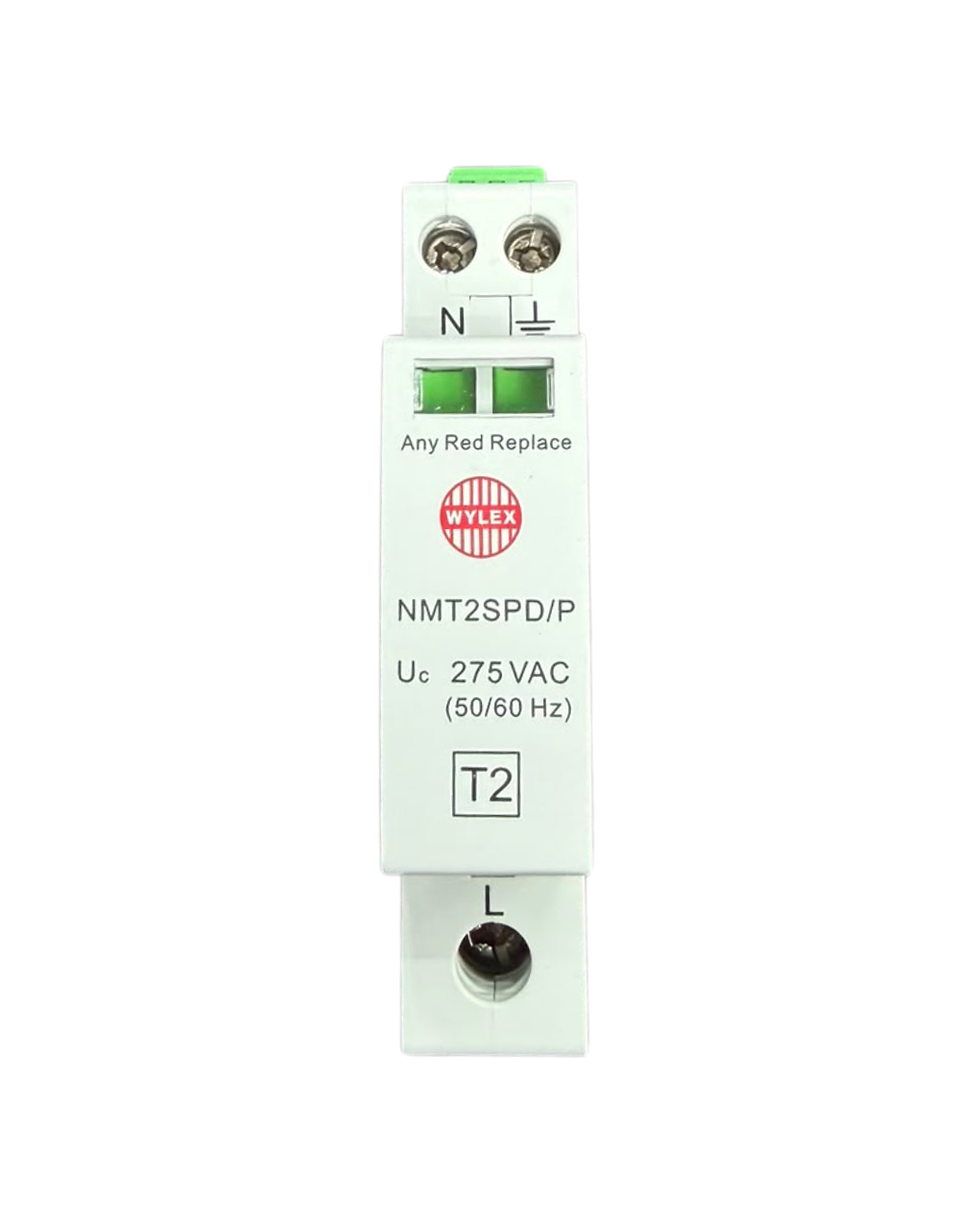
A surge protection device (SPD) can help protect electrical equipment from certain voltage spikes. Your electrician can assess whether SPD protection is suitable or required for your installation.
4. Check the Enclosure and Standards
The consumer unit itself must be suitable for the property and installed according to current requirements. Modern domestic installations commonly use metal-clad consumer units.
The board and its protective devices should also meet the relevant British Standards. A qualified electrician can check the specification before installation.
5. Leave Room for Future Upgrades
Your electrical needs may change over time. You might install an EV charger, solar PV system, battery storage, or another high-power appliance later.
For this reason, it can be useful to choose a board with spare ways. This gives your electrician more flexibility when adding new circuits in the future.
Types of Consumer Units Compared
The table below summarises the main options available when specifying a new board.
Consumer Unit Type | Protection Level | Best Suited For |
Dual RCD board | Two RCDs cover multiple circuits each | Budget upgrades, smaller properties |
Split-load board | Mix of RCD-protected and standard circuits | Properties with specific circuit needs |
Fully RCBO board | Individual RCBO on every circuit | Modern homes, rewires, rental properties |
RCBO board with SPD | RCBO protection plus surge protection | Homes with EV chargers, solar PV, or smart systems |
Choosing between these options depends on your property's wiring, circuit count, and level of protection required. A professional electrician can recommend the right setup once they've assessed your home or business.
With 35 years of experience, Ghir Electrical Supplies Ltd supplies a wide range of electrical devices across the UK. It's a trusted, reliable name that helps customers choose suitable equipment by weighing up durability, safety, and efficiency.
RCD vs RCBO Protection: Which Should You Choose?
An RCD protects against electric shock by monitoring current leakage across several circuits at once. An RCBO does the same job but on a single circuit, while also protecting against overload and short circuits.
Fully RCBO boards are now the preferred choice for most rewires and upgrades. If one circuit develops a fault, only that circuit trips, leaving the rest of your property powered as normal. For a closer look at how these two devices compare, read our full guide, RCD vs RCBO: What's the Difference?
Trusted ranges such as Wylex consumer units are widely specified by UK electricians for their reliability. They offer strong build quality alongside straightforward installation for tradespeople.
Do You Need Surge Protection (SPD)?
Surge protection devices guard your circuits against voltage spikes from lightning strikes or grid switching. An SPD is increasingly recommended, and sometimes required, for properties with:
Solar PV installations or battery storage systems
EV chargers
Smart home systems or home automation
Sensitive electronics, such as home offices or entertainment systems
If you're unsure whether your property needs one, our guide on What SPD means on a consumer unit explains exactly how it works and when it's recommended.
Why Professional Installation Matters
Choosing the right consumer unit is only half the job. Installation must meet BS 7671 (the 18th Edition Wiring Regulations) and, in England and Wales, comply with Part P of the Building Regulations.
A qualified electrician will assess your existing wiring, calculate your circuit loads, and recommend a board that matches your property's needs. This ensures your new consumer unit performs safely for years to come.
Final Thoughts
Choosing the right consumer unit comes down to understanding your circuits, your protection needs, and your property's future demands. Whether you need a straightforward dual-RCD board or a fully RCBO unit with surge protection, getting the specification right matters.
If you're comparing options for your next upgrade, exploring a well-specified range of consumer units is a sensible starting point. And before you decide on surge protection, it's worth reading how SPD technology works within a consumer unit to see whether it suits your setup.
FAQs: Choosing a Consumer Unit
1. How do I know if I need a new consumer unit?
Signs include frequent tripping, blown fuses, flickering lights, or a board with no RCD protection fitted at all.
2. What's the difference between a fuse box and a consumer unit?
They're the same thing. "Fuse box" is the older term; "consumer unit" is the modern, correct name for the panel.
3. How many circuits should my consumer unit have?
This depends on your property size and appliances. Always leave spare ways for future additions, such as an EV charger.
4. Do I need RCBOs on every circuit?
Not always, but fully RCBO boards offer the best fault isolation and are increasingly the standard for rewires.
5. Is surge protection (SPD) a legal requirement?
It's required in specific circumstances under BS 7671, particularly for properties with certain risk factors. A qualified electrician can confirm your requirements.
6. Can I replace a consumer unit myself?
No. Consumer unit replacement is notifiable work under Part P and must be carried out by a qualified, registered electrician.


Comments