_1769099439_png_width%3D2400%26optimize%3Dmedium.png)
Illuminating Austin Friars: Key Insights from a Cutting-Edge Commercial Lighting Project
- bob27349
- Jun 19
- 3 min read
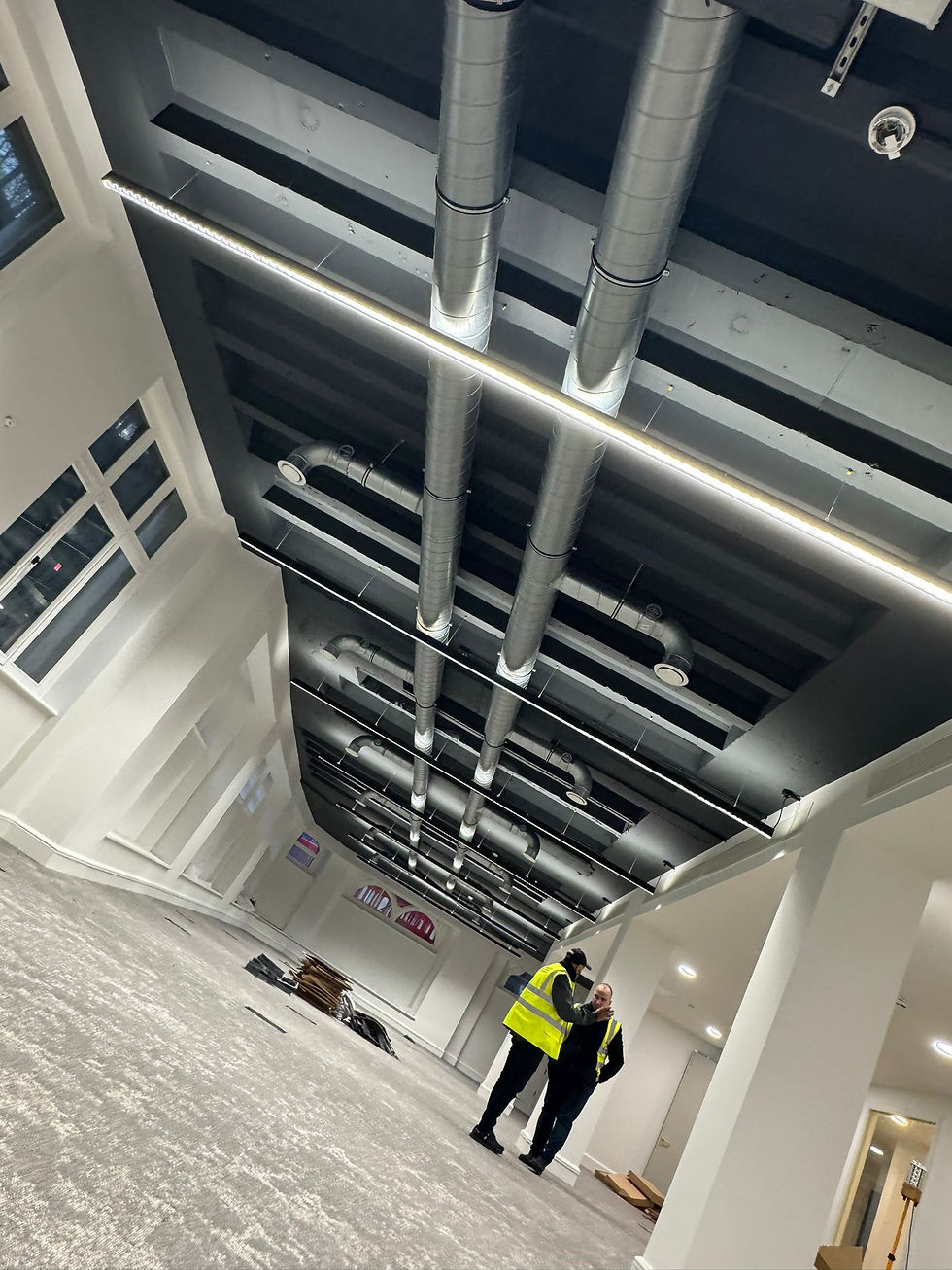
Effective lighting plays a crucial role in shaping business environments. It influences how spaces feel, how people interact within them, and even how clients perceive a company. Recently, a commercial lighting project in the heart of Austin Friars, London’s business district, showcased how thoughtful design and practical solutions can transform a workspace. This post explores the design process, challenges faced, and solutions implemented during this project, highlighting the importance of lighting in attracting clients and enhancing business spaces.
Understanding the Design Process
The project began with a clear goal: create a lighting scheme that supports the building’s function while enhancing its visual appeal. The design team focused on several key factors:
Functionality: Lighting needed to support various activities, from focused work to informal meetings.
Aesthetics: The lighting had to complement the building’s architecture and create an inviting atmosphere.
Energy Efficiency: Sustainable practices were a priority to reduce environmental impact and operating costs.
Flexibility: The system had to adapt to changing needs and different times of day.
The team started by conducting a thorough site analysis, assessing natural light availability, architectural features, and user requirements. They collaborated closely with architects and facility managers to align lighting with the building’s overall design and operational goals.
Key Challenges Faced
Several challenges emerged during the project:
Balancing Light Levels: The team needed to provide sufficient illumination without causing glare or discomfort. This was especially important in areas with screens and reflective surfaces.
Integrating with Existing Infrastructure: The building’s structure limited where fixtures could be installed, requiring creative placement and custom solutions.
Maintaining Energy Efficiency: Achieving the right balance between brightness and power consumption required careful selection of fixtures and controls.
Ensuring Consistency: The lighting had to maintain a consistent look and feel across different zones, despite varying architectural elements.
Innovative Solutions Implemented
To address these challenges, the team applied several practical and effective solutions:
Layered Lighting Approach: Combining ambient, task, and accent lighting allowed for flexible control and enhanced visual interest. For example, recessed ceiling lights provided general illumination, while adjustable wall washers highlighted textured surfaces.
Smart Controls: Automated dimming and occupancy sensors adjusted light levels based on usage and natural light, improving comfort and reducing energy use.
Custom Fixtures: Where standard options didn’t fit, bespoke fixtures were designed to integrate seamlessly with architectural details.
Use of LED Technology: LEDs offered long life, low heat output, and energy savings. The team selected fixtures with high color rendering to ensure accurate color perception.
The Role of Lighting in Business Environments
Good lighting does more than illuminate a space. It influences mood, productivity, and perception. In Austin Friars, the lighting design aimed to:
Enhance Employee Well-being: Proper lighting reduces eye strain and fatigue, supporting focus and comfort.
Create a Welcoming Atmosphere: Warm, inviting light encourages clients and visitors to feel at ease.
Highlight Brand Identity: Thoughtful lighting can reinforce a company’s image through color temperature and fixture style.
Support Flexibility: Adjustable lighting accommodates different activities and events, making the space more versatile.
Insights from the Project Team
The project team shared valuable reflections on their experience:
“Understanding the building’s unique characteristics was essential. We tailored the lighting to complement its strengths and address its limitations.”
“Collaboration across disciplines made a big difference. Architects, engineers, and lighting designers working together ensured a cohesive outcome.”
“Sustainability was a guiding principle. We focused on solutions that reduce energy use without compromising quality.”
Sustainable Practices in the Project
Sustainability was integrated throughout the project:
Energy-efficient LEDs replaced older, less efficient lighting.
Daylight harvesting systems adjusted artificial lighting based on natural light levels.
Materials selection favored recyclable and low-impact components.
Smart controls minimized waste by turning off lights in unoccupied areas.
These measures contributed to lower energy bills and a smaller carbon footprint, aligning with broader environmental goals.


Comments